
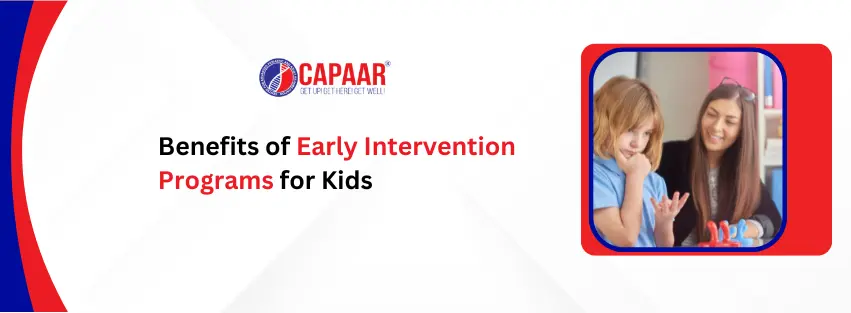
The early years of a child’s life are critical for brain development, learning, communication, and social growth. When developmental challenges are identified early, timely support can make a significant difference in a child’s future. Early intervention programs are designed to help children develop essential skills during their most important developmental years. Families seeking Special Kids Treatment in Bangalore often find that early intervention provides the foundation children need to achieve greater independence, confidence, and success in everyday life.
What Is Early Intervention?
Early intervention refers to specialized therapies and support services provided to infants, toddlers, and young children who show signs of developmental delays, learning difficulties, communication challenges, or neurodevelopmental conditions.
These programs may include:
- Speech and language therapy
- Occupational therapy
- Behavioral therapy
- Physical therapy
- Social skills training
- Parent coaching and guidance
The goal is to support children during a period when the brain is highly adaptable and responsive to learning.
Why Is Early Intervention Important?
A child’s brain develops rapidly during the first few years of life. Research shows that early support can strengthen neural connections and improve developmental outcomes.
When challenges are addressed early, children have a better opportunity to:
- Develop communication skills
- Improve learning abilities
- Build social relationships
- Gain independence
- Participate successfully in school and daily activities
This is why experts providing Special Kids Treatment in Bangalore strongly emphasize early screening and intervention whenever developmental concerns arise.
Key Benefits of Early Intervention Programs
1. Improves Communication Skills
Many children experience delays in speech, language, or social communication. Early intervention helps children:
- Understand and use language effectively
- Improve verbal and non-verbal communication
- Express needs and emotions clearly
- Build stronger social connections
Enhanced communication often leads to improved confidence and reduced frustration.
2. Supports Cognitive Development
Early intervention programs encourage problem-solving, memory, attention, and learning skills.
Children learn to:
- Follow instructions
- Develop reasoning abilities
- Improve concentration
- Strengthen academic readiness
These skills create a strong foundation for future educational success.
3. Enhances Social and Emotional Development
Social interaction can be challenging for some children with developmental delays or neurodevelopmental conditions.
Intervention programs help children:
- Understand social cues
- Develop friendships
- Improve emotional regulation
- Participate in group activities
These skills are essential for school readiness and long-term emotional well-being.
Occupational and physical therapy can help improve:
- Writing
- Drawing
- Buttoning clothes
- Using utensils
- Walking
- Running
- Jumping
- Balance and coordination
Improved motor skills support independence in daily activities.
One of the most valuable outcomes of early intervention is helping children become more self-reliant.
Programs focus on:
- Self-care routines
- Daily living skills
- Following routines
- Problem-solving abilities
Many families seeking Special Kids Treatment in Bangalore report significant improvements in their child’s independence after participating in structured intervention programs.
Addressing developmental concerns early can help minimize difficulties later in life.
Early intervention may:
- Reduce the severity of developmental delays
- Improve school performance
- Enhance social functioning
- Decrease behavioral challenges
The earlier support begins, the greater the potential impact.
Children who receive early intervention are often better prepared for educational settings.
Benefits include:
- Improved attention and focus
- Better communication skills
- Enhanced social participation
- Increased confidence in classroom activities
This smoother transition helps children adapt more successfully to school environments.
8. Empowers Parents and Families
Early intervention is not only beneficial for children but also for families.
Parent training programs provide guidance on:
- Understanding developmental needs
- Managing challenging behaviors
- Supporting learning at home
- Creating positive routines
Families become active partners in their child’s developmental journey.
Which Children Can Benefit from Early Intervention?
Early intervention can help children with:
- Developmental delays
- Autism Spectrum Disorder (ASD)
- ADHD
- Speech and language delays
- Learning difficulties
- Sensory processing challenges
- Motor coordination difficulties
- Social communication challenges
Professionals offering Special Kids Treatment in Bangalore typically create individualized intervention plans based on each child’s specific strengths and needs.
Signs That May Indicate a Need for Early Intervention
Parents should consider a developmental evaluation if a child:
- Has delayed speech or language development
- Avoids eye contact
- Struggles with social interactions
- Misses developmental milestones
- Has difficulty following instructions
- Shows repetitive behaviors
- Experiences sensory sensitivities
- Demonstrates motor skill delays
Seeking help early can significantly improve developmental outcomes.
FAQs:
1. What is an early intervention program for children?
An early intervention program provides therapy and developmental support to young children experiencing delays in communication, learning, behavior, motor skills, or social development.
2. At what age should early intervention begin?
Early intervention can begin as soon as developmental concerns are identified, often during infancy or toddlerhood. Earlier intervention generally leads to better outcomes.
3. Can early intervention help children with autism?
Yes. Early intervention can significantly improve communication, social interaction, adaptive behavior, and learning skills in children with Autism Spectrum Disorder.
4. How does early intervention improve speech and language skills?
Speech and language therapy helps children develop communication abilities, understand language, express needs, and engage more effectively with others.
5. What therapies are included in early intervention programs?
Programs may include speech therapy, occupational therapy, behavioral therapy, physical therapy, social skills training, and parent coaching.
Conclusion
Early intervention programs play a crucial role in helping children reach their full developmental potential. By addressing challenges during the most critical years of brain development, these programs can improve communication, learning, social interaction, motor skills, and independence. Whether a child has developmental delays, autism, ADHD, or other developmental concerns, timely support can create meaningful long-term benefits. Families seeking Special Kids Treatment in Bangalore should consider early evaluation and intervention, as the right support at the right time can positively shape a child’s future and overall quality of life.